A round-up of the latest and best insight on the rise of illiberalism in the public discourse:
Greg Lukianoff & Adam Goldstein: Trump’s War on Lawyers Is a Threat to Everyone
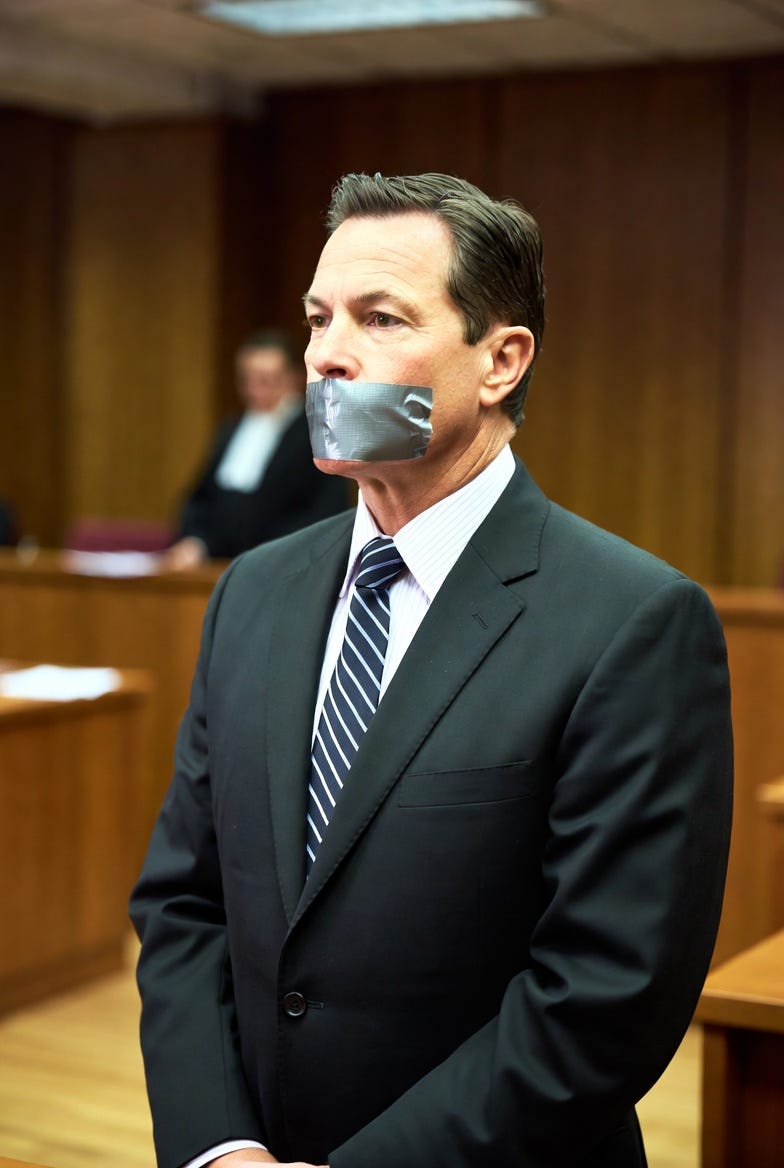
The public intuitively understands why government speech restrictions applied to individuals, universities and private companies are dangerous. But Americans seem much less sympathetic to the First Amendment Rights of lawyers. At The Dispatch, Greg Lukianoff and Adam Goldstein argue that such a double standard puts everybody’s right to speak at risk:
Everybody understands, at least instinctively, why it matters when a president threatens the press. People also more or less understand why it matters when he menaces universities, museums, or other cultural institutions. Those are visible targets, and they read as political in an obvious way.
Attacks on law firms land differently. Part of that is because many major firms are hardly natural objects of public sympathy. Most everyday Americans won’t shed many tears for institutions associated with enormous hourly rates, corporate power, and a profession that people tend to joke about until they need a lawyer. Large white-shoe firms can also seem culturally and politically entangled in establishment Washington in ways that prompt some to assume they are just another faction in a power struggle.
But that perception is exactly why this threat is so easy to underestimate. The point is not whether one feels a spontaneous rush of affection for Big Law. The point is that when a government starts punishing lawyers for taking cases it dislikes, it is not merely lashing out at one privileged profession—it chomps down on the basic mechanism by which Americans challenge unlawful government action in the first place.
And here, the retaliatory nature of what Trump did was not especially subtle. In total, six law firms were the targets of presidential orders or memoranda; 20 (including two also targeted by orders) were included in an Equal Employment Opportunity Commission probe of hiring practices. Nine firms signed agreements with the administration, promising a total of $1 billion in legal services. Of those nine that signed deals? Two, Willkie Farr and Cadwalader, weren’t targeted at all. They just saw which way the wind was blowing.
Päivi Räsänen: My Criminal Conviction Is a Terrible Blow to Free Speech in Europe
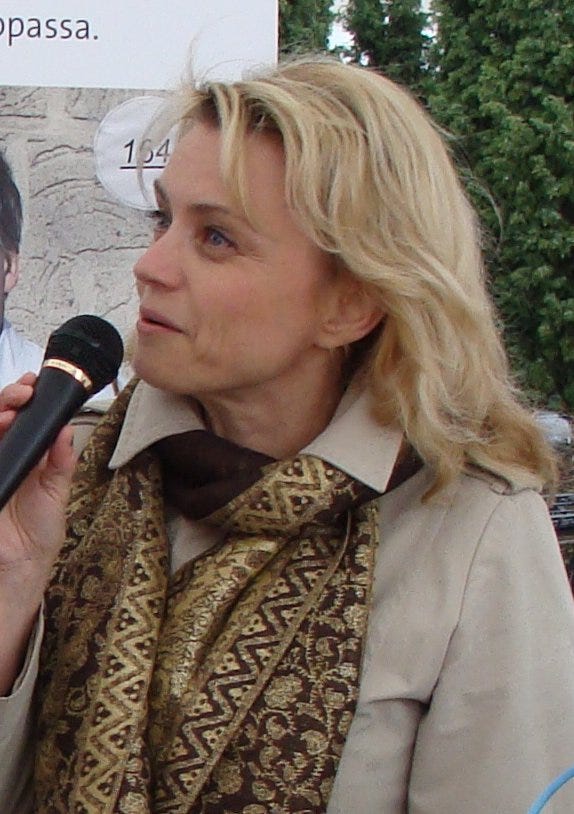
Finnish politician and physician Päivi Räsänen was recently convicted of hate speech by her country’s supreme court—under a law written after her supposedly hateful speech occurred. At National Review, Räsänen explains the fallout from her six-year legal battle:
Ask yourself: What have you written over the years? A blog post, a comment, a paper for school, a pamphlet for your community? Under a standard like this, any peaceful expression could become the subject of a criminal investigation.
This case has never been only about me. It has been about whether Finland — and Europe broadly — will remain places where people are free to speak, write, and live according to their conscience without fear of prosecution.
It is also not about whether you agree with my views. In a free society, disagreement is not just tolerated; it is essential to the society’s proper functioning. Freedom of speech includes the freedom to debate, to dissent, and yes, sometimes to offend. Without that freedom, democracy cannot survive.
Washington Post editorial board: Ohio’s drag on free speech
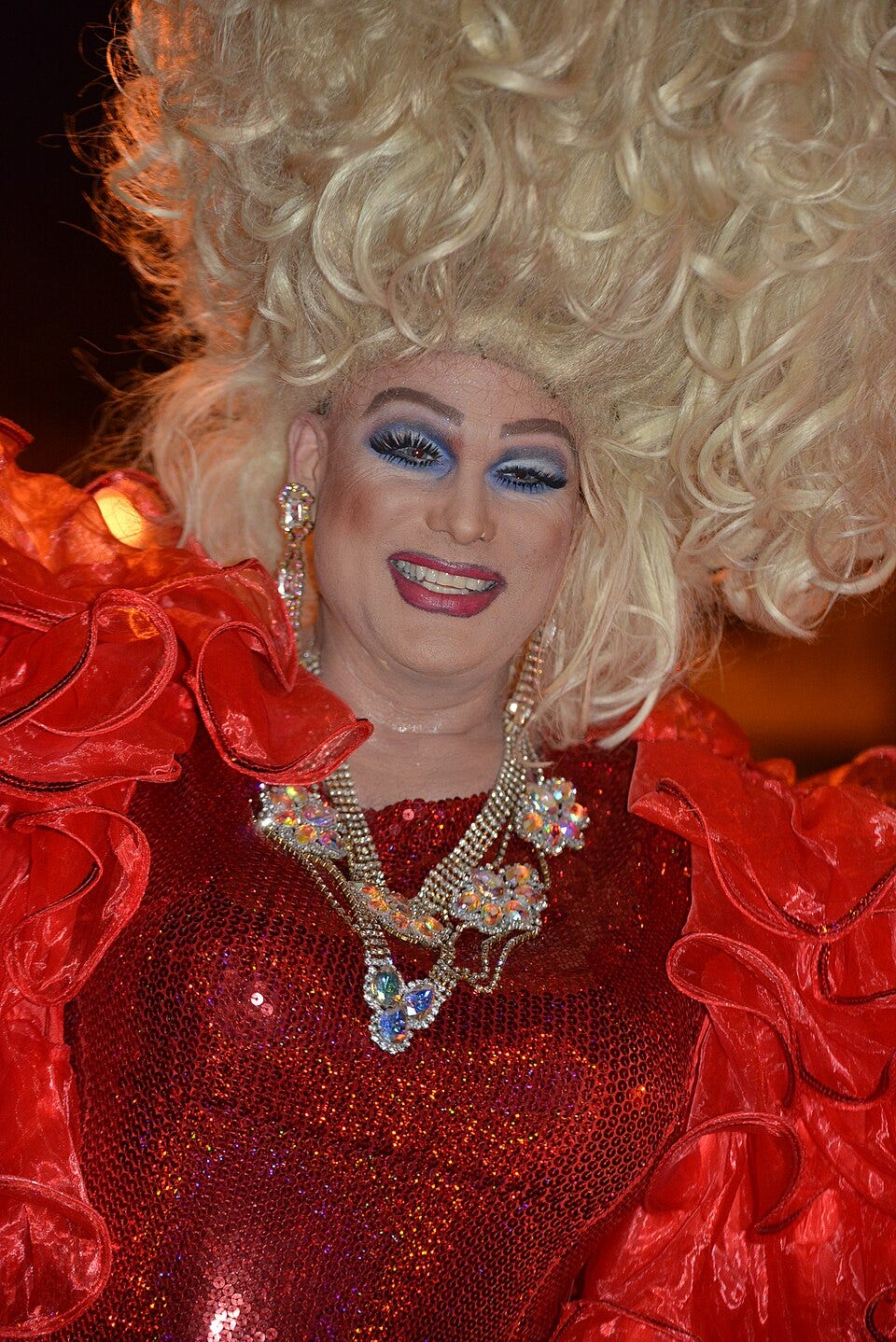
Ohio’s state legislature is contemplating a bill that would further restrict drag shows. Whatever you think of men in dresses and wigs, you have to oppose this unjustified assault on free speech, argues the Washington Post editorial board:
Ohio Republicans are racing to protect the public from a sinister threat: men in wigs and sequined dresses. In reality, it’s a heavy-handed attempt to chill constitutionally protected expression.
The state House of Representatives passed a bill on Wednesday to criminalize drag shows that take place outside specified venues. The legislation’s sponsor, state Rep. Angela King (R), argued that the purpose of the legislation is to protect children from “premature sexualization” and “the erosion of their innocence.”
The conversations animating the Editorial Board, delivered to your inbox every Tuesday
Ohio law already prohibits the dissemination of obscene materials or performances to minors. The bill would expand those restrictions to performances outside an “adult cabaret,” such as a nightclub or sex shop, that features “performers or entertainers who exhibit a gender identity that is different from the performer’s or entertainer’s biological sex using clothing, makeup, prosthetic or imitation genitals or breasts, or other physical markers.”
Violations could result in a felony charge and up to 18 months in prison.
Around X
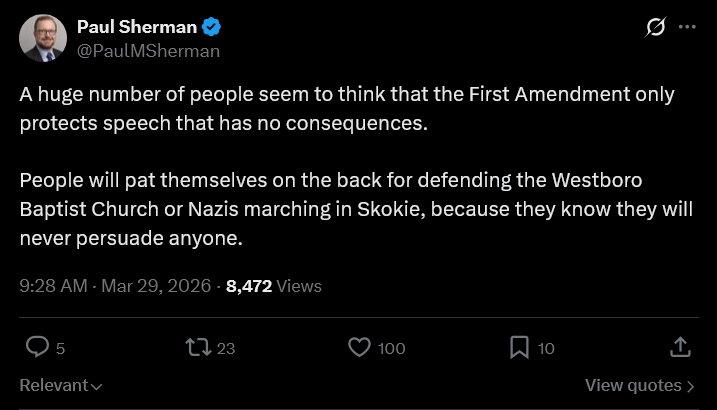
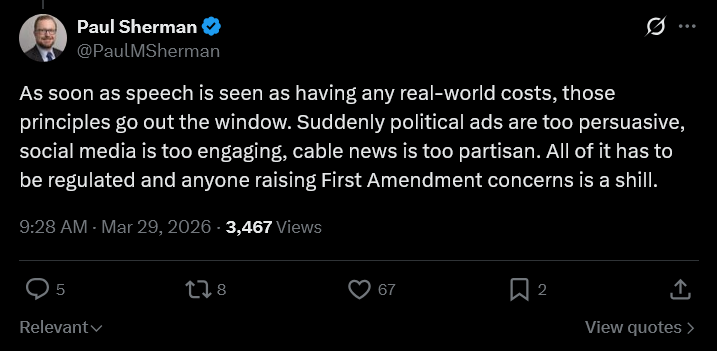
Paul Sherman with a very important insight: Everybody is a ferocious defender of free speech—until that speech has consequences. At that point, our noble principles “must” yield to practical realities.
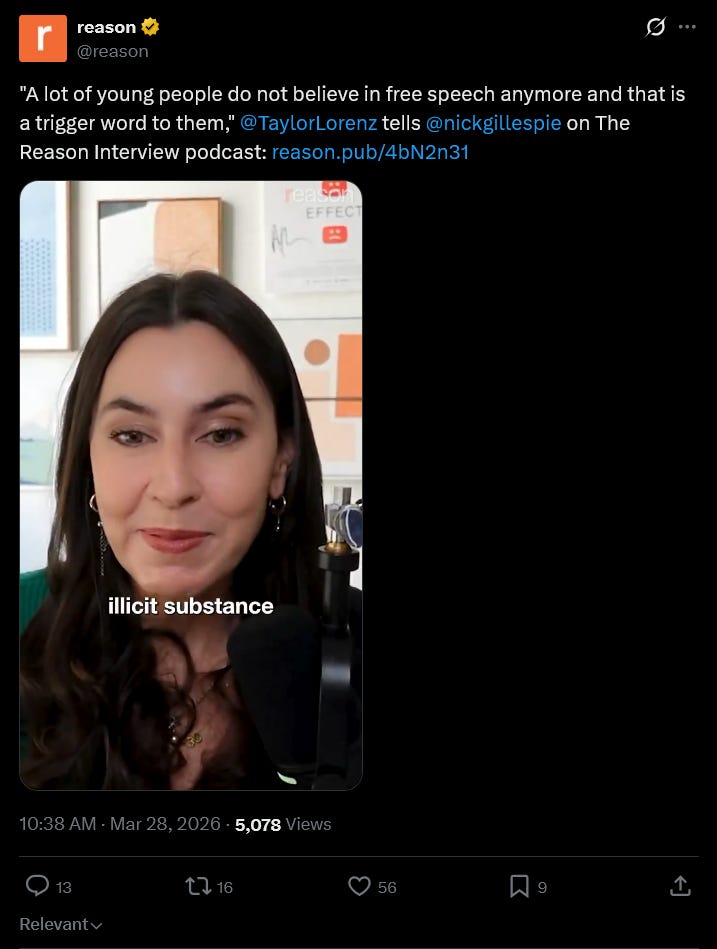
Taylor Lorenz laments Gen Z’s apathy about free speech, and offers some suggestions for effectively teaching our youngsters why the First Amendment is so important (click for video).
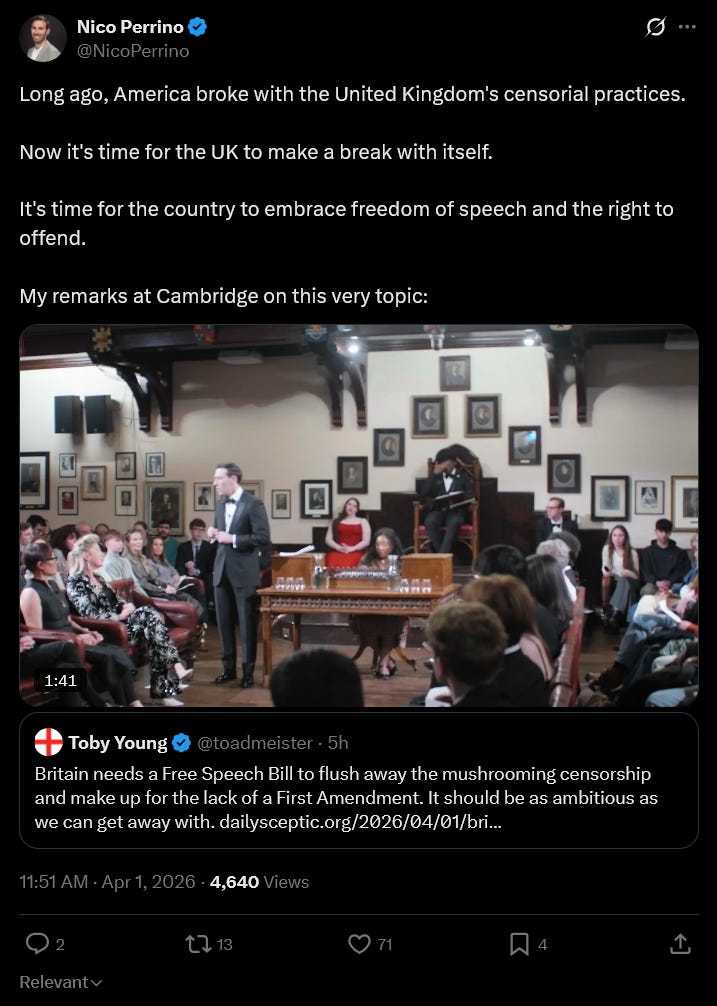
Nico Perrino says the UK needs to embrace free speech and abandon its affinity for censorship.