



A round-up of the latest and best insight on the rise of illiberalism in the public discourse:
Adina Portaru: The EU is turning into a mass-surveillance state

Four years after it was first proposed, the EU’s “Chat Control 2.0” bill still hasn’t gone away. Pitched as a tool for catching child sexual abusers, the proposal would, as Adina Portaru describes it at spiked, have AI software automatically scan every photo and message Europeans send — encrypted ones included, without consent and with no way to opt out.
The final text is still being negotiated among the Parliament, the Council, and the Commission. The sticking point, per Portaru, is telling: the Parliament wants surveillance limited to suspects, while other parties are pushing to cover everyone. Portaru’s verdict on the state reading your texts as you type them:
“For state authorities to use AI to look over your texts as you draft them is almost the definition of modern technocratic totalitarianism. Add to this the security risks of creating a route around encryption, and the state-surveillance system could become a playground for cybercriminals.”
Such developments from Brussels should no longer surprise us. This is the same institution that, in 2022, gave us the Digital Services Act (DSA). The DSA threatens some of the world’s largest social-media platforms with hefty fines – up to six per cent of global revenue – if they fail to remove so-called hate speech and disinformation from their platforms. EU-endorsed ‘trusted flaggers’ ensure that these companies toe the line.
All this was implemented in the name of ‘safety’, preventing foreign interference and ‘disinformation’. Yet the DSA’s draconian overreach makes it one of the greatest threats to freedom of expression and information in the world today. Chat Control 2.0 would be a further step down this worrying path, adding mass surveillance to the DSA’s existing speech control. It is a recipe for authoritarianism, not democracy.
Leona Salinas: New DEI mandate for clubs at Case Western prompts free speech concerns
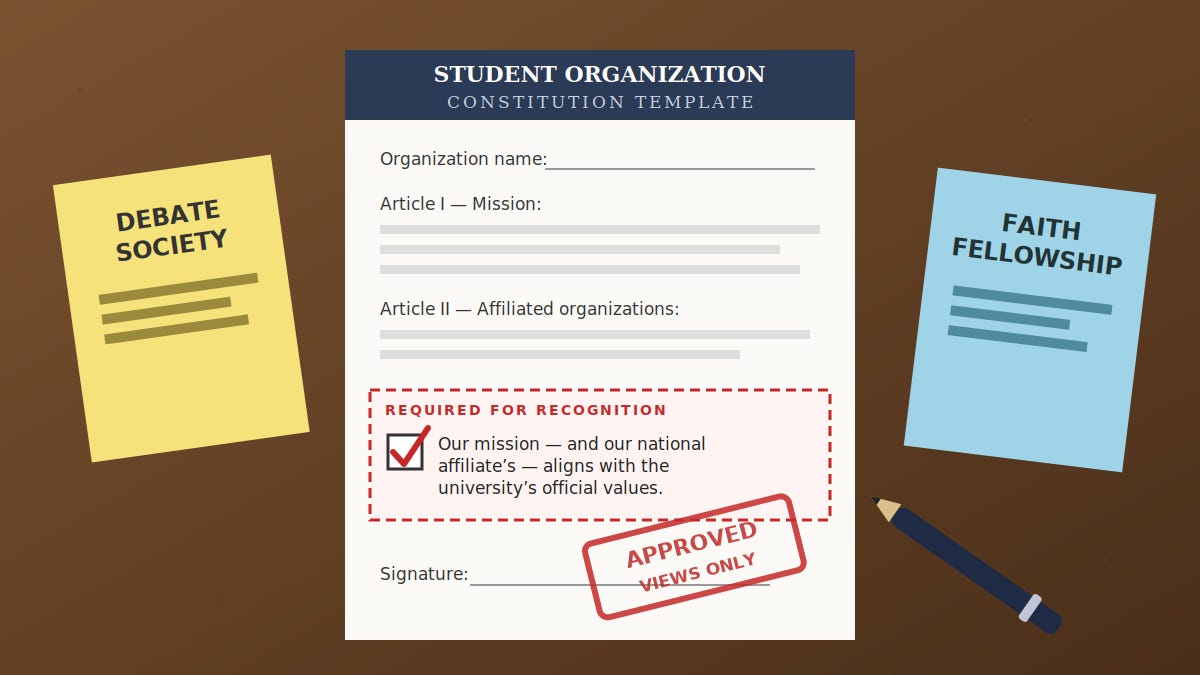
In September, Case Western Reserve University told its student organizations to move their constitutions onto a new university template. The catch, according to a letter from FIRE: every group, and any outside organization it affiliates with, must align its mission with the school’s four core values, inclusiveness and diversity among them. Leona Salinas reports for The College Fix that FIRE wrote to President Eric Kaler on Oct. 15 asking the school to rescind the directive. FIRE program counsel Madeline Bartsche put it plainly:
According to FIRE’s letter, the template requires student organizations, along with any outside organizations they affiliate with, to align their missions with the university’s four core values: “academic excellence and impact, inclusiveness and diversity, integrity and transparency, and effective stewardship.”
FIRE argues that the policy places students in a position where maintaining official recognition could depend on whether their organizations agree with the university’s views.
Asked if the requirement could disproportionately affect some student organizations more than others, FIRE Program Counsel Madeline Bartsche told The College Fix, “It certainly will.”
Will Jones: BBC Press Officers Refused to Promote Emmy-Winning October 7th Documentary

The BBC commissioned Surviving October 7th: We Will Dance Again, a reconstruction of the Nova music festival massacre built from footage shot by Hamas and by the victims themselves. It went on to win outstanding current affairs documentary at the News and Documentary Emmy Awards.
But according to its producer, Lucie Kon, the BBC’s own publicists refused to promote it because of its subject matter, calling it too political, and later saying they were too busy. At the Daily Sceptic, Will Jones rounds up the Telegraph‘s reporting. Kon’s response to the “political” excuse:
“’The subject matter of the film was the recounting of the tragic events at the Nova Music Festival, where a celebration turned into a massacre… this was the subject matter which [they] refused to promote.
“The respondent [the BBC] permitted [them] to abandon their duties in this way and for this reason. As a result of this, the claimant had to manage the logistics of the film premiere herself, with support from a freelance publicist.’
Kon told the Telegraph that the in-house publicity team also claimed the subject matter was ‘too political’ and later claimed they were too busy to promote it. She said: ‘There was nothing political about that film.’”
Around X
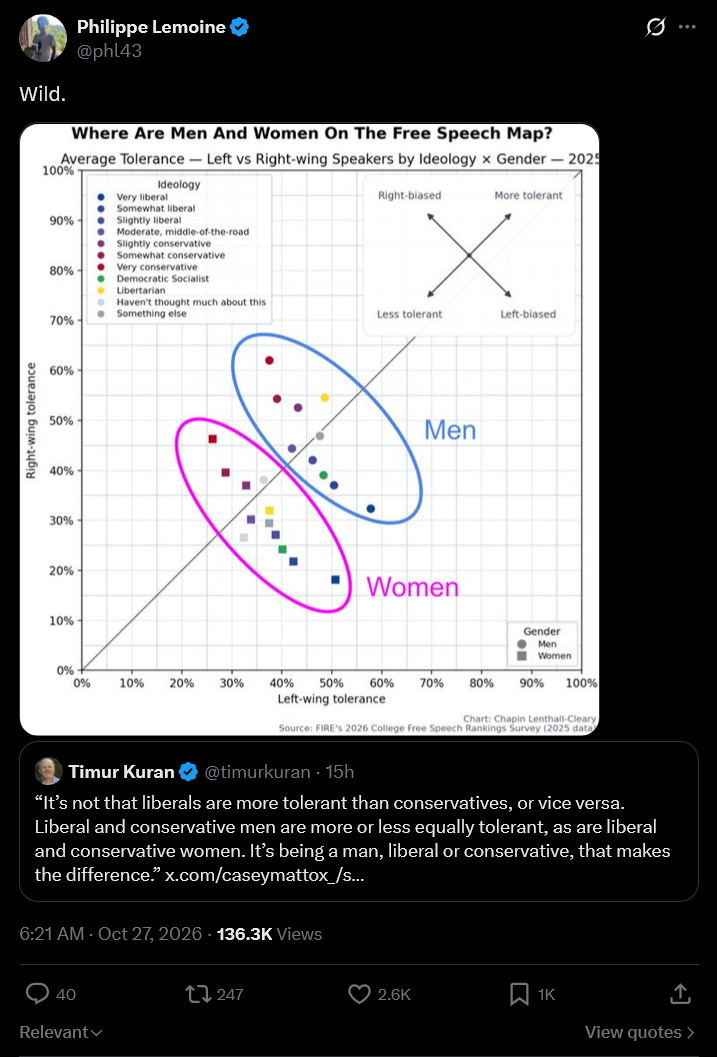
Turns out the tolerance gap isn’t left versus right. Philippe Lemoine shares a chart of FIRE’s College Free Speech Rankings survey data plotting students’ tolerance for controversial left- and right-wing speakers by ideology and sex, and in every ideological group, from very liberal to very conservative, men score as more tolerant than women toward both sides.
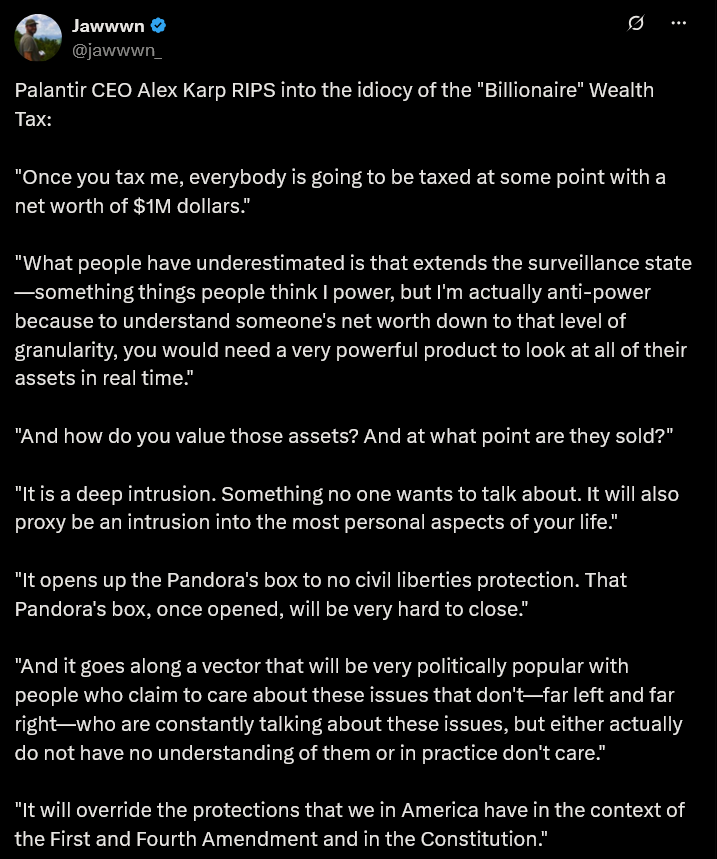
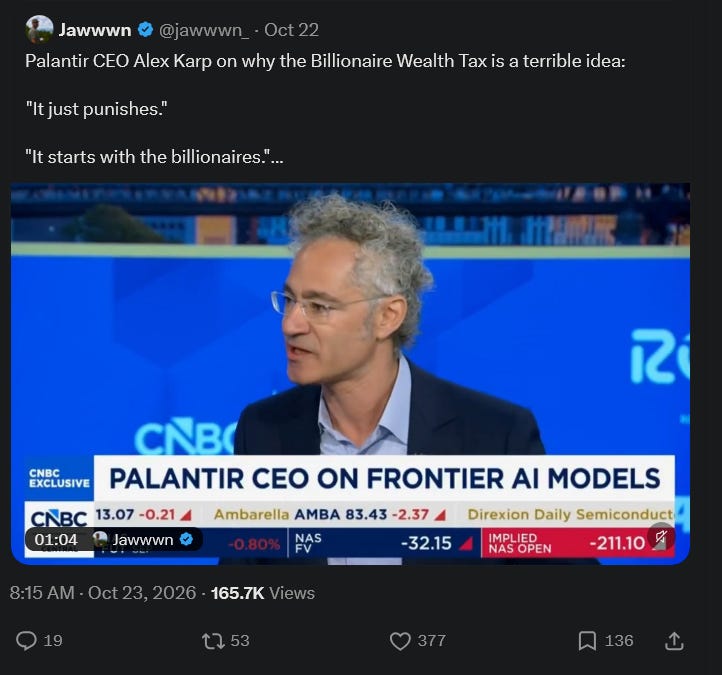
Palantir CEO Alex Karp makes the civil-liberties case against a billionaire wealth tax: pinning down someone's net worth means valuing all of their assets in real time, which would take a very powerful product — and once that machinery exists, he predicts, it will eventually reach anyone worth $1 million.
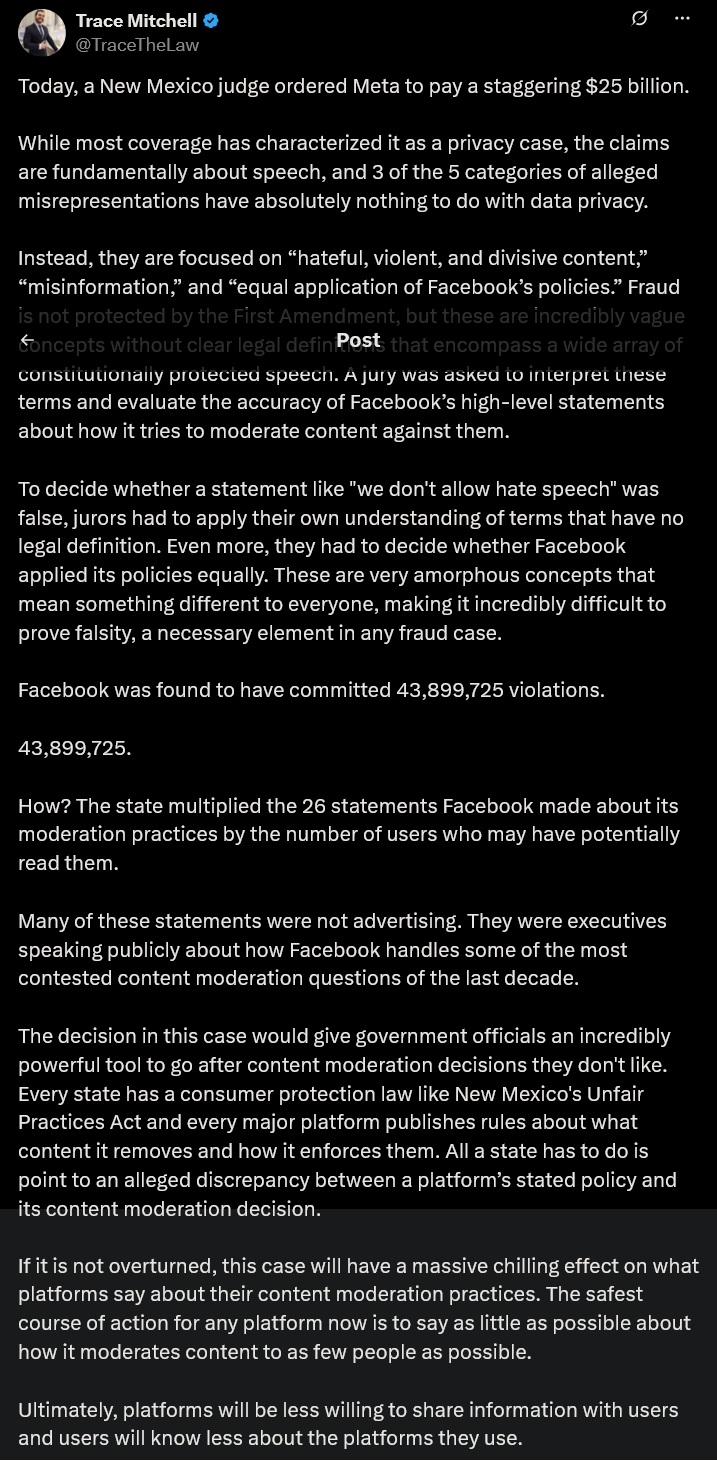
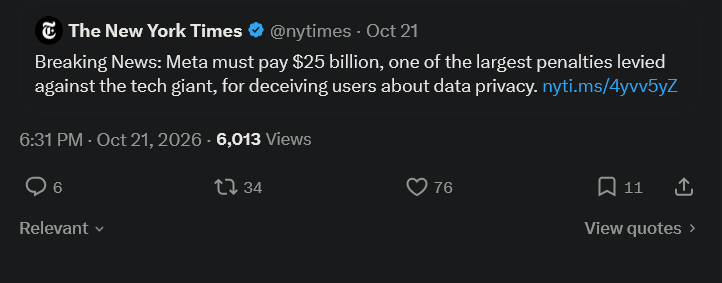
Finally, Trace Mitchell argues that New Mexico's $25 billion judgment against Meta is being misread as a privacy case: three of the five categories of alleged deception concerned content moderation — hateful content, misinformation, and even-handed enforcement — vague terms jurors were left to define for themselves. The 43.9 million violations came from multiplying 26 public statements by the number of users who might have read them.
https://www.unbekoming.com/p/the-human-instability-principle