A round-up of the latest and best insight on the rise of illiberalism in the public discourse:
Nigel Biggar: Nine Intellectual Virtues

When we consider the virtues of liberalism, our minds immediately land on concepts like tolerance and individual liberty. But there’s another that shouldn’t be ignored: humility. Dialoguing with our political opponents—rather than silencing them with force—encourages us to listen and consider that we might not be as smart as we first thought. At Quillette, Oxford ethicist Nigel Biggar says this is one of nine intellectual virtues universities ought to cultivate:
Unless we intend to mistake ourselves for gods, we will be aware of our cognitive limits and moral flaws. So, when we first encounter someone else’s speech or writing, we should do so with a sixth virtue, humility. We should face an opponent as an equal, subjecting ourselves to the common rules of evidence and reason. We may have higher professional status and we may be much celebrated, but we should not take ourselves too seriously. We should acknowledge that authorities will sometimes be wrong, especially if they are arrogant, and that amateurs will sometimes be right, especially if they are temperate, careful, patient, and charitable. It is not uncommon for truth to speak from an unlikely quarter.
Humility implies the seventh virtue of docility or teachableness. Aware of our cognitive limits and moral flaws, we should be open to the possibility that we have things to learn and that we might be mistaken in what we think we know. We should therefore always be “docile”—not in the sense of being blindly submissive, but in the original sense of being open to instruction and correction.
If we exercise the virtues of temperance, carefulness, respect, patience, charity, humility, and docility, we will also exercise an eighth virtue: that of thoughtfulness. We will allow the difference between what we have assumed and what another says to provoke the kind of reflection that allows us to think and rethink.
Finally, we should exercise the virtue of courage. To be temperate, respectful, careful, patient, charitable, humble, docile, and thoughtful also makes us vulnerable. That is because, by allowing another person to express their disagreement clearly, we may find some of our most cherished convictions are challenged, threatened, or even overturned. And bound up with those convictions may be a career’s worth of reputation, rewards, and accumulated social status. It is brave, indeed, to give another person the freedom to speak clearly.
Katy Doniger: ACLU claims Ball State’s campus rules violate first amendment rights
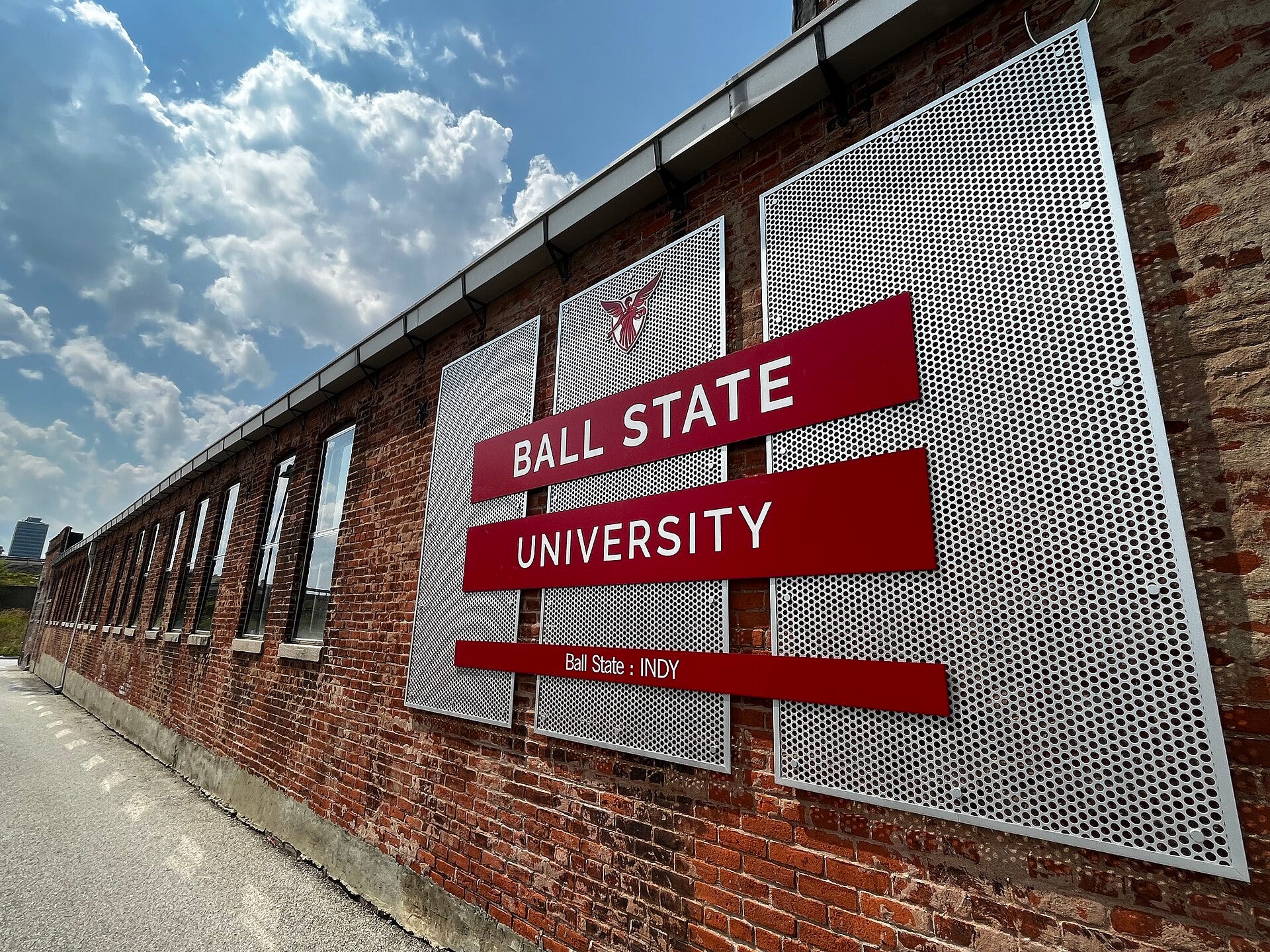
Last November, Ball State University implemented two rules restricting campus protests, and apparently issued a semester-long suspension to one student accused of violating the new policies. This week, the ACLU of Indiana said, “not so fast,” filing suit against the school claiming it violated the student’s First Amendment right to free speech:
INDIANAPOLIS (WISH) — The American Civil Liberties Union of Indiana filed two federal lawsuits against Ball State University over a rule that prohibits protests and demonstrations within fifty feet of most campus buildings.
The lawsuits also call into question the use of campus rules to punish students who entered the administration building during normal business hours to leave notes for Ball State’s president. The notes were an effort for the students to express concern about Ball State’s financial ties to Israel.
Sarah McLaughlin Netflix and…chilled? New UK rules target ‘harmful or offensive’ streaming content
Censorship generally follows a predictable trend: the restrictions begin narrowly, limiting access to only select varieties of “harmful” content. But inevitably, the net widens and regulators start to expand their control. Sarah McLaughlin gives a textbook example from the UK, where officials are trying to crack down on Netflix using a law designed to protect children from illegal internet content:
The United Kingdom isn’t just focused on age-gating and regulating what its citizens can see and do on the internet through its Online Safety Act. Now, officials are setting their sights on what people can stream, expanding their regulatory focus beyond local television channels and into the workings of non-UK companies like Netflix.
…
This week, communications regulator Ofcom announced “enhanced” regulation for video-on-demand services with more than 500,000 UK-based users. Some of the requirements will address accessibility features such as subtitles, but there will also be a significant focus on the aired material itself: specifically “harmful or offensive material.” Platforms with user bases of this size will be subject to a forthcoming video-on-demand code modeled on rules already in place against stations like the BBC.
…
The risk of fines for ambiguously defined harmful content — and fines will no doubt be a penalty for breaches of the not-yet-written code — could very well pressure streamers like Amazon Prime and Netflix to make editorial decisions not to greenlight content that might be perceived as offensive by UK regulators, including shows and projects intended for a global audience. Companies might decide it isn’t worth the risk of either fines in the UK or the production cost of creating content that will be inaccessible to its UK-based audience.
Around X
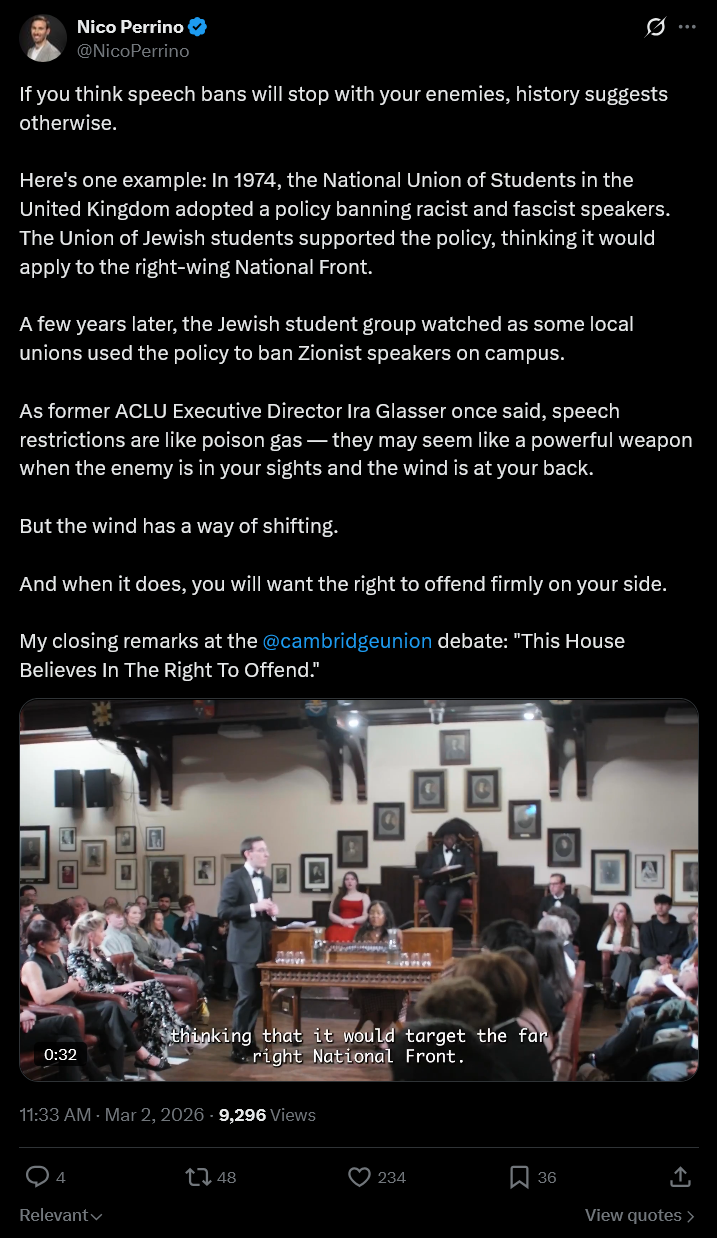
An appropriate analogy: speech restrictions are like poison gas—they harm everyone.
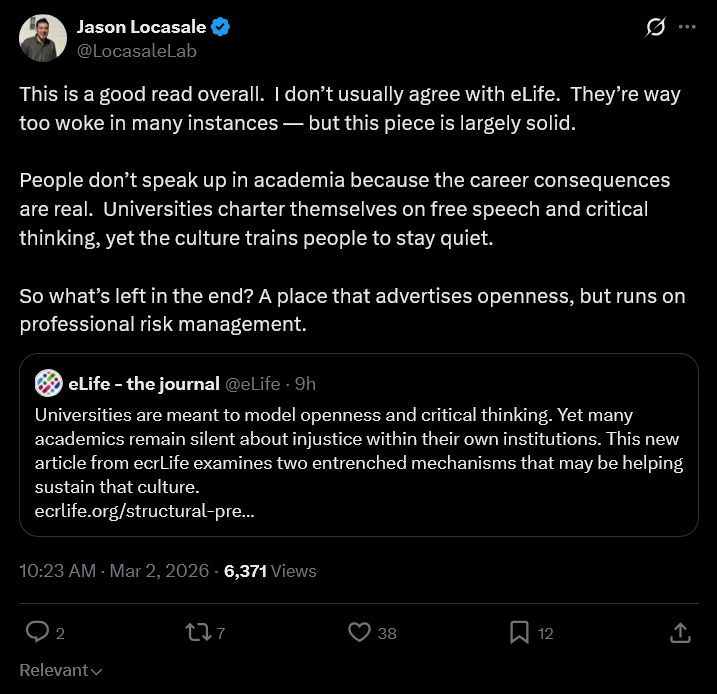
It appears our universities have a long way to go when it comes to free speech. Career consequences still keep many academics from speaking their minds, says veteran researcher Jason Locasale.
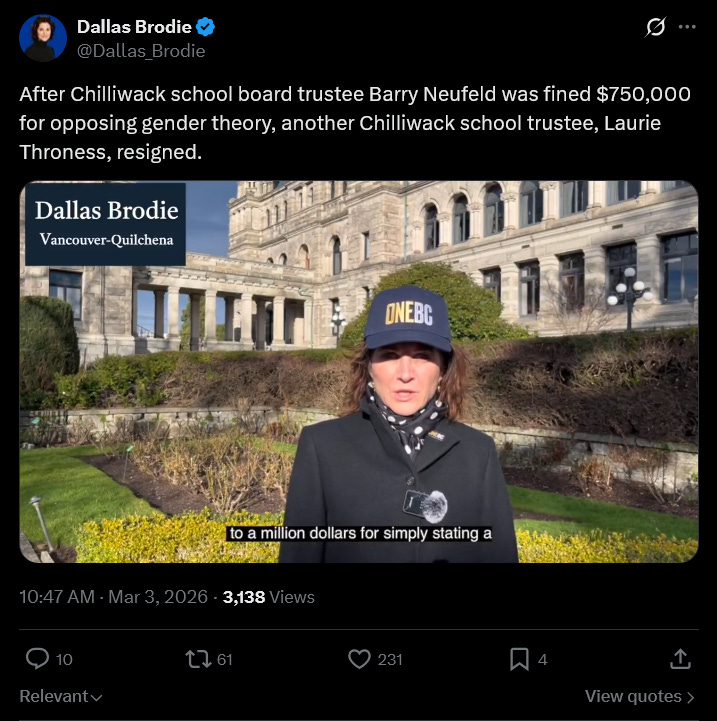
A school board trustee in Canada was recently fined $750,000 for declaring there are only two genders. This week, one of his colleagues has resigned, anticipating he could face a similarly exorbitant penalty and wouldn’t be able to pay it.